Doctor, how can I recognise that my sleep problems already require professional help?
Professional support is recommended when poor-quality sleep starts to affect everyday life. This may include extreme daytime fatigue, microsleeps, unexplained headaches, psychological difficulties caused by insufficient sleep, or other health issues such as high blood pressure or cardiac arrhythmias.
What are the most common mistakes we make before going to bed without even realising it?
We often expose ourselves to excessive blue light from electronic devices such as mobile phones, televisions, and computers. Blue light suppresses the production of melatonin, the hormone responsible for sleep regulation. We also tend to deal with work-related matters or stressful situations late in the evening. Other factors that can negatively affect sleep include heavy and fatty meals, nicotine, caffeinated drinks, and alcohol before bedtime. Although a glass of alcohol may help us fall asleep more quickly, it actually reduces the quality of our sleep.
What exactly does the sleep programme at VILA ANTOANETA involve? What methods and treatments help improve sleep quality?
The programme begins with an initial consultation with a somnologist, during which we try to identify the underlying causes of sleep difficulties. Guests learn about sleep physiology and the principles of good sleep hygiene.
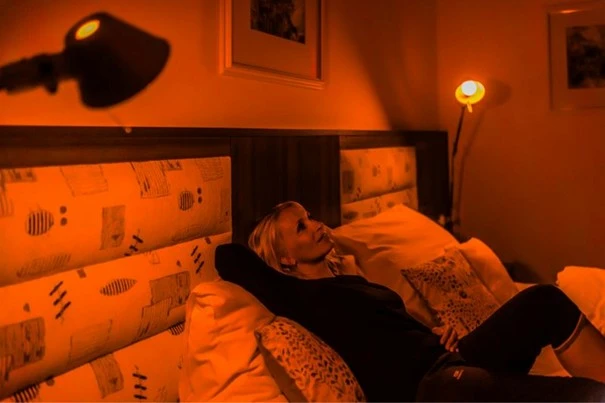
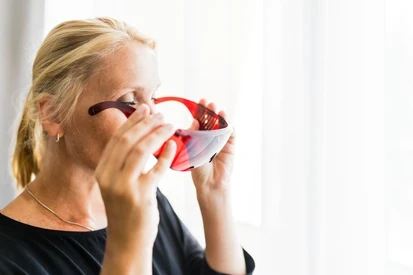
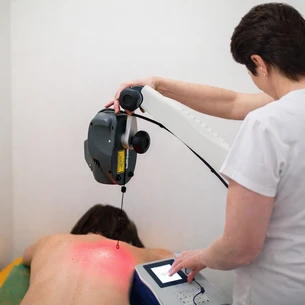
During their stay, guests are accommodated in a specially equipped room with dedicated lighting designed to support healthy sleep patterns. The programme includes phototherapy and various regenerative treatments, such as massages, baths, and aromatherapy, which together contribute to improving sleep quality.
As part of the programme, guests sleep on a sensor-based mattress pad that monitors heart rate, breathing rate, and movement during sleep. At the end of the stay, the collected data is evaluated, providing a more comprehensive understanding of the guest’s sleep patterns and helping to optimise further recommendations.
Does the quality of our sleep depend on whether we sleep alone or with a partner?
Yes, a sleeping partner can influence sleep quality. They may become a disruptive factor, for example, if they snore, have their own sleep disorder (such as sleep talking or teeth grinding), or use a mobile phone or watch television during the night. Children and pets can also disturb sleep. Ideally, partners should not disturb each other during the night.
What are the first steps a person can take if they want to improve their sleep before visiting a specialist?
The foundation of healthy sleep is following the principles of good sleep hygiene. The most important steps are maintaining a regular routine, going to bed and waking up at the same time every day, and creating an ideal sleep environment – quiet, dark, and cool. It is also important to avoid stress, stay physically active during the day, avoid daytime naps, and limit the use of electronic devices in the evening.
In addition to sleep hygiene, some people may benefit from melatonin supplements, which are available either over the counter or by prescription. Various relaxation techniques or consultations with a psychotherapist can also be helpful.
Can a short-term stay, such as a one-week programme, really help people with sleep difficulties?
Yes, it can. A person will not overcome chronic insomnia within just one week, but by spending time in a peaceful spa environment, relaxing, and learning healthy sleep habits, they can take the first important steps towards better sleep.